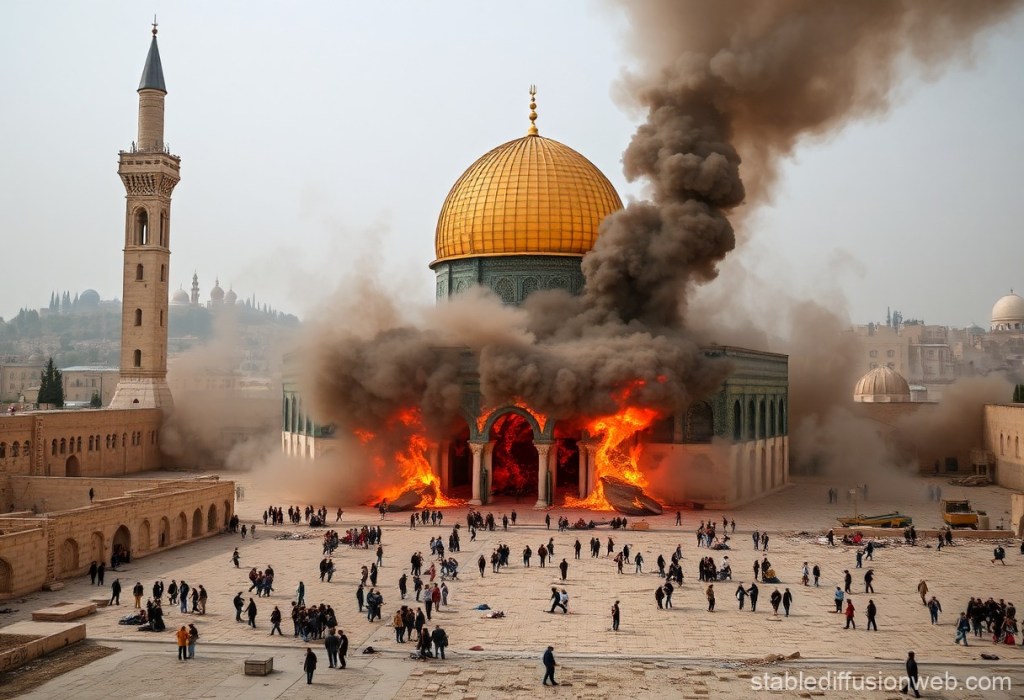
S C E N E (III)
ירושלים القدس
“YERUSHALAIIM.” “JERUSALEM.” “AL QUDS.”
STATE OF ISRAEL, 2001 CE
MAYA SORIEYA EMMA SOLOMON ROSE
“The Jewish military colony is filled with informants,” Zachariah told me one night on the roof of the Bedouin School House overlooking Be’er Sheva. “Every phone is bugged. Every e-mail is read. Any uprising here would have to be primitive enough to leave no fingerprints.”
He spoke calmly about terrible things. Arrests. Torture. Betrayal. In those days everyone understood that eventually somebody would disappear into a prison cell or a shallow grave. The Second Intifada hung over the country like smoke. Every café, every bus stop, every crowded market carried the feeling of an approaching explosion.
Still, people came to us.
Not because of ideology. Because of atmosphere.
The heroin dealers vanished from certain parks after EGROPH boys drove them out. Food baskets appeared outside poor families’ apartments. Gang graffiti disappeared beneath strange black symbols no one understood. Kids practiced martial arts in abandoned lots. Someone always knew someone who had joined Ha Irgun.
That was how it spread. Hand to hand. Mouth to ear.
By August we were organized across the country.
In Tel Aviv, the Manasseh Command gathered Black Israelites, expatriates, artists, and drifters around the Deep Leisure Club and Avinadav’s loft where newspapers and forged papers were printed all night.
In Be’er Sheva, Gavroche led the Judah Command: punk rock kids, street fighters, and runaways training with rifles in the desert heat. The Bedouin School House became our headquarters after EGROPH cleared out the narcomaniim living there. Children slept on classroom floors beneath revolutionary posters and stolen fans.
Haifa belonged to the Asher Command, mostly Arab Christian youth led by Deeb al Hadid and university art students from Mount Carmel.
Only Jerusalem resisted us.
“In Jerusalem we are entirely without representation,” Zach kept saying. The city exhausted him. Maybe because it was too holy. Maybe because it destroyed everyone equally.
On August 9th, Zach and I traveled there again to organize what he wanted to call the Ephraim Command. Around noon we ate at Mike’s Place near King George Street. He looked exhausted, digging through his satchel.
“Fuck.”
“What?”
“I’m out of art.”
Then came the explosion.
PEGUAH.
Three blocks ahead smoke erupted into the air. The blast rattled my bones. People froze before the screaming started. Dust rolled across the street. Blood, shattered glass, ambulance sirens.
The Palestinians had blown up a pizza restaurant.
Zach sat heavily onto a green bench and removed his hat. We waited because everyone knew there might be a second bomb for the rescue crews.
Then it came.
PEGUAH.
Another explosion somewhere near the incoming ambulances. More screams. More smoke.
The medics ran in anyway. They always did.
Zach stared silently at the chaos before finally flagging down a taxi back to Tel Aviv. Soldiers flooded the streets around us while helicopters circled overhead.
Halfway home he finally spoke.
“I won’t be caught dead in that city again.”
But we both knew we would return. That was how organizing worked: unreasonable persistence. Little speeches. Drawings in the sand. Whispers about impossible things.
And somehow, amid all the carnage, that summer taught me not merely how to hide underground from enemies, but how to breathe underwater.


Leave a Reply