
S C E N E (XII)
نيو جيرسي
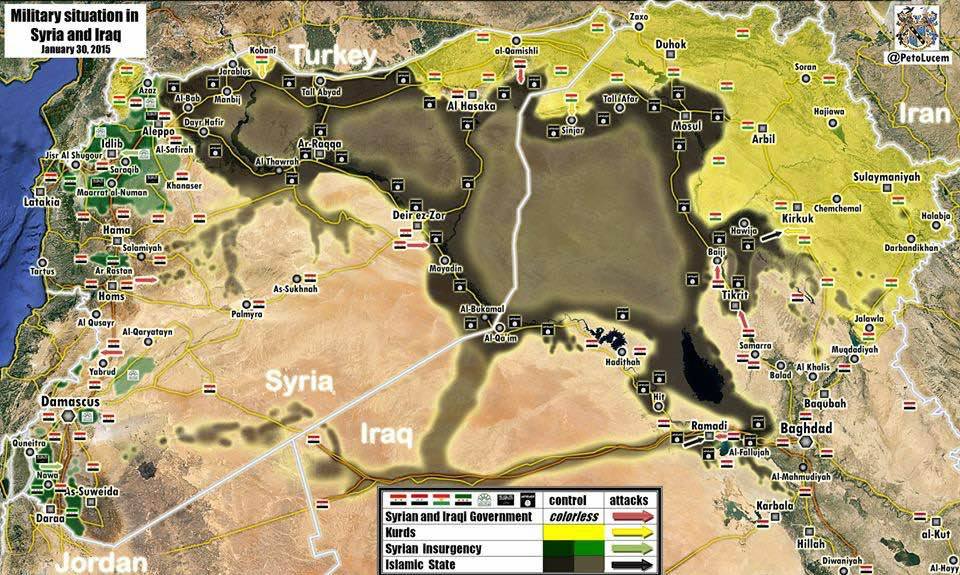
Raqqa City, Syria., 2017ce
We enter the mosque compound at twilight, though twilight itself seemed reluctant to fall. The call to prayer still echoed faintly from the minaret, a broken ghost-sound caught between heaven and stone, though its muezzin had long since fled or fallen—whether butchered or swallowed in the tide of war, none of us knew. Dust hung heavy in the air, congealing with the sharp tang of gun oil smeared across my hands and the dried blood caked beneath my fingernails. We moved with the YPG unit like shadows masquerading as men, our boots whispering across sacred carpets long since ripped open and blackened by fire. The mosque had been a sanctuary once; now it was a slaughterhouse with gilded walls.
They were waiting—Daesh, black-clad, statuesque, crouched like carrion birds behind shattered columns and prayer-stools. Their rifles rested on Qur’ans, defilement turned into ritual, eyes void of mercy, void of thought, filled only with the endless hunger for death. The first shot did not thunder; it whispered. Then the chamber of the mosque exploded in carnage. Muzzle flashes stuttered like lightning storms against the calligraphy-laced walls, sacred verses flickering with each round, the names of God trembling as our blasphemies carved themselves into stone. I returned fire without feeling, a machine in flesh, squeezing the trigger again and again until the rifle jammed, heat and smoke choking my lungs. I collapsed behind a marble pulpit as though it were the ribs of some ancient saint, hoping the stone would hold while lead sang against it.
Beside me, Heval Kamal was struck. The bullet punched through him with the elegance of inevitability, a red flower unfurling across his chest. His lips parted, a scream forming but drowned in blood, his lungs drowning him quicker than the enemy could. He fell without grace, spasming, his eyes begging for air, for rescue, for God. I did not mourn. There is no space for grief in the iron rhythm of battle. My hands tore his rifle from his still-warm grip before his last twitch had passed. Forgive me, brother, I thought, though I spoke nothing. Your bullets are more useful than your prayers.
The dome above us wailed with fire. Smoke poured through holes carved by rockets, shafts of dying orange light filtering in like the fingers of a cruel deity. I saw one of them—young, beardless, his face twisted between terror and rage. He couldn’t have been older than nineteen. For a heartbeat we locked eyes, and I saw a cousin, a neighbor, a boy who might have played football in some forgotten street. Then I shot him twice in the chest, precise, quick, watching him fold against the mihrab as if surrendering into a lover’s arms. His blood smeared the sacred niche where thousands had once knelt. I felt nothing. Or perhaps I had felt everything so many times that my soul had calcified. Somewhere back in Raqqa, or maybe in some trench months before, time had stopped mattering. The clock rusts inside your chest when every day is measured in bodies.
When the shooting ended, silence staggered back into the mosque. It came limping, dragging behind it the stink of powder and iron and meat. We walked among corpses like pilgrims at a grotesque hajj, our rifles drooping with exhaustion, our boots splashing in what once passed for men. I pressed my palm against the bullet-pocked wall, fingers tracing Arabic calligraphy shredded by shrapnel, and whispered an apology to no one in particular. To Allah. To the dead. To myself. To whatever remained listening in this void where even God had turned His face. The only faith left in that ruin was the brotherhood of ash-coated, bone-weary men too stubborn—or too damned—to die.
Every time we crawled out of a firefight in Rojava with our skins intact, a price was exacted all the same. The internationals especially carried it raw in their eyes. They had just killed someone, maybe for the first time. Or had watched a man they’d eaten bread with choke on his last breath. Or maybe their bullets had torn through someone who wasn’t strictly a combatant at all, just a body caught in the blind frenzy of battle. Some had been awake too many nights in a row, fueled by cigarettes, adrenaline, and the conviction that tomorrow might not exist. After their first blood baptism, they drifted for days in a fugue, phantoms wandering the outpost. Some said nothing, as though words were another luxury they couldn’t afford. Others muttered nonsense, speaking in half-dreams, voices cracking like children’s.
“He’s lost the plot,” Heval Erdal, a British comrade, used to mutter, shaking his head at those glassy-eyed stares. He’d laugh when he said it, but the laugh always caught in his throat. The plot was easy to lose out there.
Years later, after the fires of Rojava burned down to embers, those who had survived staggered into other wars. Statistically, one in ten internationals died on that soil, their bodies buried in Kurdish earth far from the countries that had birthed them. Four of ten died later, either by their own hands—noosed, overdosed, revolvers pressed to temples in kitchens at dawn—or vaporized under Russian rockets in Ukraine. They migrated from one doomed battlefield to another like moths drunk on the flame, unable to live in peace, unable to stop killing, unable to stop dying. The war never left them. It only traded flags.
 WALTER SEBASTIAN ADLER