
S C E N E (XIV)
بيروت
Beirut, Lebanon, 2024ce
***
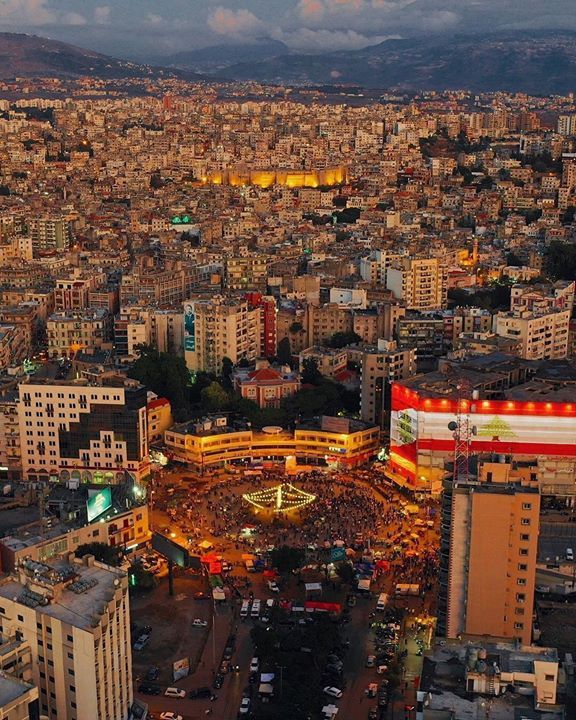
The streets of Beirut throb with life as the sun sinks into the Mediterranean, casting the city in bruised shades of gold and rust. The air is thick with the scent of roasted meat, cardamom coffee, sweat, exhaust, and the faint sting of tear gas that never seems to leave the city entirely. Vendors shout above the ceaseless din of traffic, cars blaring horns like beasts competing for territory. Somewhere a muezzin’s call echoes, almost drowned by the wail of sirens far off. Beneath this living chaos, in the belly of the city, another kind of chaos is being written.
In a windowless room reeking of smoke and damp concrete, they gather. Men with hard faces and dead eyes, their features obscured by shadow and grime. Among them sits Kaveh Atatable Ashuri, the architect of nightmares, a man whispered about in markets and barracks, the kind of name spoken only when certain no informant is listening. His voice cuts through the haze, low and deliberate, each syllable weighted like a bullet: “We need something big. Something that will bleed fear into their veins. Something that makes the fat cats choke on their own silk ties.” His eyes gleam with fanatic calculation. “We will take the marrow out of their bones.”
For hours they argue, voices clashing like knives in the dark. Options rise and fall, names of potential targets whispered and dismissed. Finally the plan hardens: Banque du Liban et D’Outre Mer—BLOM Bank—the fortified jewel of Beirut’s financial elite. Its reputation is myth, its security described in the same reverence as fortresses. To strike it is not simply robbery. It is sacrilege, war declared on the city’s gilded arteries. Kaveh smiles faintly when the decision is made. “We will make them watch their walls burn,” he says, and no one doubts he means it.
Dawn bleeds into the city on the chosen day, but by afternoon Beirut feels wrong. An electricity crackles in the air. In Mar Elias camp, whispers crawl through the alleys: something is about to happen. By evening, the storm arrives. Gunfire erupts in the heart of Ras Beirut, splitting the noise of the city like lightning splitting a tree. Masked figures pour into BLOM Bank’s marble entrance. They move with the clinical precision of soldiers, but their violence is savage. Guards fall before they can even raise weapons, throats opened with knives, skulls cracked by rifle butts. The robbers’ boots trample across sacred lobbies of finance, glass shattering, marble streaked red.
Inside the vault corridors, silence reigns only for a moment before steel doors scream under shaped charges. Smoke, fire, alarms howling like banshees—yet the men move in rhythm, cutting through locks, dragging sacks of currency into waiting duffels. Piles of lira, mountains of paper that once symbolized wealth but now barely equate to dust. A hundred million notes that might buy a family dinner, or might not even cover bread tomorrow. Still, the symbolism matters. The vault is raped, and the city bleeds.
Outside, the streets convulse with panic. Sirens converge. The robbers burst from the bank like specters, masks reflecting gunfire, their weapons barking indiscriminate death. Bullets stitch the air, shattering storefronts, chewing flesh. Bystanders scatter, trampled beneath stampeding feet, screams colliding with the metallic staccato of automatic fire. Police cars skid to a halt, sirens wailing, officers leaning from windows only to be cut down in sprays of red mist. Beirut becomes a killing ground, traffic frozen, engines burning, glass raining down like holy ash.
The robbers leap into their getaway vehicles, tires shrieking as the chase ignites. Engines roar through clogged streets, bullets chasing them like hounds. They weave with animal instinct, ramming aside cars, clipping buses, sending metal shrieking against concrete. The police follow, relentless, their guns blazing from windows, sirens a constant scream. Every intersection becomes a kill zone. A taxi is ripped open by crossfire, passengers spilling onto the street, bleeding and howling. A child screams for her mother while cars burn behind her. Beirut becomes a theatre of the damned.
Kaveh drives with one hand steady on the wheel, the other gripping a pistol he fires casually out the window at anything in pursuit. The man laughs, a hollow sound that chills even his comrades. “They cannot cage us,” he snarls, his teeth bared, eyes wide. The others are silent, faces pale beneath their masks. They have crossed the threshold, and there is no return.
They break from the main road, plunging into the cramped labyrinth of Mar Elias camp. The alleys devour them, walls pressing close, the city replaced by a hive of cracked concrete, hanging wires, and desperate eyes peering from darkened doorways. Here the state’s grip falters. Here, history’s refugees scavenge survival. But the camp is no sanctuary for outsiders.
Gunfire erupts from balconies. Youths, half-grown boys with old Kalashnikovs, rake the convoy. Bullets spark against walls, tear through tires. Residents—furious at the chaos invading their fragile world—hurl stones, Molotovs, even boiling water from rooftops. The robbers fire back, mowing down anyone who dares raise a hand. Women fall in the alleys, men clutch bleeding stomachs, children scream. Smoke coils above the camp like a funeral shroud.
But the robbers push through, savage, desperate. Their bags of cash leak notes into the mud, green and red bills trampled beneath fleeing feet. Word spreads at the speed of breath: money has come, money fallen from heaven into the camp. Men and women surge into the streets, clawing at the scattered notes, fighting one another with teeth and nails. Hope, hunger, greed—all combust in an instant.
Through this human tide, the robbers claw forward. They follow Kaveh into a final narrow artery, an alley that twists like the throat of a dying beast. Behind them, police vehicles crash into the camp’s periphery, soldiers pouring in, rifles raised, vengeance in their eyes. Ahead, the alley opens onto the city beyond, the light of freedom like the last candle in a collapsing room.
Engines roar. Tires spit mud and blood. They surge toward escape. Behind them, Beirut howls—a wounded city, a city watching its own entrails spill into the gutter. The robbers burst free of the camp, their bodies slick with sweat and powder, their eyes hollowed by the violence they have unleashed.
They have escaped—for now. But the hunt has only begun. Beirut will not forgive. The city will choke them in its labyrinths or swallow them in its endless wars. They vanish into the night, leaving behind money soaked in blood, a camp torn open by greed, and a city reminded that fear is the only true currency.

 WALTER SEBASTIAN ADLER